A software RFP (request for proposal) asks several development companies to propose against the same need in the same format. Describe the problem, users, outcomes and constraints rather than a detailed design; state what you will provide; require the same answers from every bidder, including assumptions, exclusions, team and a phased cost breakdown; and publish the evaluation criteria and timeline before responses arrive.
What a software RFP is for
A request for proposal (RFP) asks several development companies to propose against the same need, in the same format, so you can compare their thinking, team, risks and commercial terms fairly. It sits between a project brief, which explains the problem, and comparing proposals, which happens once responses arrive.
Where the RFP fits
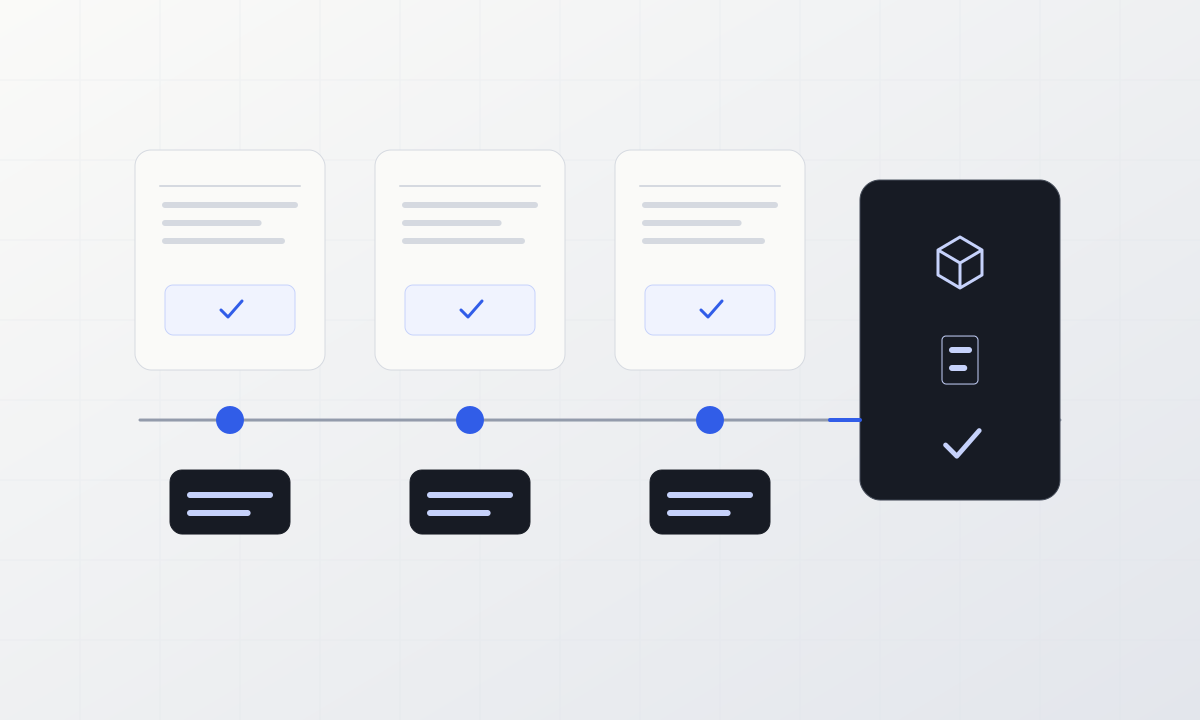
An RFP turns agreed requirements into proposals you can compare. Send it once the brief and PRD are settled; otherwise each company prices a different project.
Each document answers one question, then hands its answer to the next.
Define what you need
- PRDProduct requirements document
What must the product do, and how will we know it works?
Hands onGoals, user stories and acceptance criteria
- SRSWhen precision mattersSoftware requirements specification
Exactly how must the system behave?
Hands onTestable, traceable requirements
Choose and agree
- RFPYou are hereRequest for proposal
Who can deliver it, and how would they?
Hands onProposals in the same shape
- CompareProposal comparison
Which offer is sound, not just cheapest?
Hands onA chosen partner and open risks
- SOWStatement of work
What exactly have we agreed to deliver?
Hands onDeliverables, acceptance and change control
Describe outcomes, not a blueprint
The US Digital Service's TechFAR Hub warns that traditional requirements often read like “system design specifications, like the blueprints of a house”, and recommends a product vision that “captures requirements and priorities at a high level” for agile software work. State the problem, the users, the outcomes and the constraints. Leave room for partners to propose how to reach them, and judge them on the quality of that proposal.
What to include in a software development RFP
A complete RFP answers the questions every bidder would otherwise ask separately:
- Background: your organization, the problem and why it matters now.
- Objectives and how you will judge success.
- Scope: users, key journeys, what is in the first release and what is excluded.
- Technical environment: existing systems, integrations, hosting and data.
- Constraints: deadlines, accessibility, security, privacy and regulatory requirements.
- What you will provide: people, decisions, test access and content.
- Proposal format and the content every response must include.
- Evaluation criteria and how they are weighted.
- Timeline for questions, submission, shortlisting and decision.
- Commercial expectations: pricing model, ownership of code and accounts, support.
Copy the software RFP template
Adapt the headings to your project and remove any that genuinely do not apply. Do not include customer records, credentials or confidential documents; share those only under an agreement with the shortlisted companies.
Ask for the same answers in the same shape
Proposals become hard to compare when each company chooses its own structure. Ask every bidder to state assumptions and exclusions, break effort and cost down by phase, name the people who will do the work and list the risks they see. Provide a response template or a list of required headings, and say that missing items will count against a proposal.
Publish the evaluation criteria before responses arrive
Decide what matters, and how much, before you read any proposal. Publishing the criteria tells bidders where to focus and protects your decision from being swayed by presentation. Separate must-have gates, such as security or data residency, from scored criteria such as relevant experience, approach and team.
Example evaluation criteria
Set gates first; a proposal that fails one is not scored. Then weight the scored criteria to reflect what matters for this project. The weights below are an example to adapt, not a recommendation.
| Criterion | Evidence to ask for | Example weight |
|---|---|---|
| Gate: security and data handling | Description of controls; where data is stored | Pass / fail |
| Understanding of the problem | Restated problem, questions asked, risks identified | 25% |
| Approach and plan | Phases, milestones, acceptance and change process | 25% |
| Team and relevant experience | Named people, comparable work, references | 30% |
| Commercial clarity | Phased cost, assumptions, exclusions, support terms | 20% |
Run a fair question period
Set a deadline for questions and share every answer with all bidders, without revealing who asked. If an answer changes the scope, update the RFP and tell everyone. Unequal information is the most common reason proposals for the same project describe different projects.
Size the process to the project
A small, well-understood project does not need a long RFP; a clear brief and a short list of required answers may be enough. When the scope is genuinely uncertain, consider a paid discovery phase first, so that the RFP describes a project rather than a guess. The same thinking applies to off-the-shelf options: UK government guidance suggests trialling a product by trying to “solve one small but hard problem” before committing.
Questions buyers ask
What should a software RFP include?
Background and the problem, objectives and success measures, scope and exclusions, the technical environment, constraints, what you will provide, the response format, evaluation criteria and the timeline. Ask every company to state assumptions, exclusions, the named team and a phased cost breakdown.
What is the difference between an RFP, an RFQ and an RFI?
An RFI gathers information about suppliers and options. An RFQ asks for prices on a clearly defined requirement. An RFP asks suppliers to propose an approach, team and price for a problem, which suits most custom software work, where the solution is not fully specified.
How many companies should receive an RFP?
Enough to compare, few enough to evaluate properly. Each proposal takes real time to read and question fairly, so shortlist first on fit and evidence, then send the RFP only to companies you would genuinely appoint. The company selection guide covers the shortlist.
How do we evaluate RFP responses fairly?
Publish the criteria and weights before responses arrive, apply pass or fail gates such as security first, score the rest consistently and record the reasons. Ask every bidder the same clarifying questions, and compare scope and assumptions before price, as in comparing proposals.
Sources and editorial approach
Scopeivo publishes practical planning guidance. Examples and suggested rubrics are decision aids, not evidence of delivered projects or guaranteed outcomes. Adapt them to your context and verify material assumptions with the people responsible.
Read our research and publication approach. Original publication dates are retained; the update date reflects substantive changes to this guide.